Reported in the 2021 PPCF paper

Research / 研究
From plasma control to neutron evidence.
Explore published plasma-beam experiments, the proposed multi-beam architecture, and subsequent neutron measurements reported by HOPE.
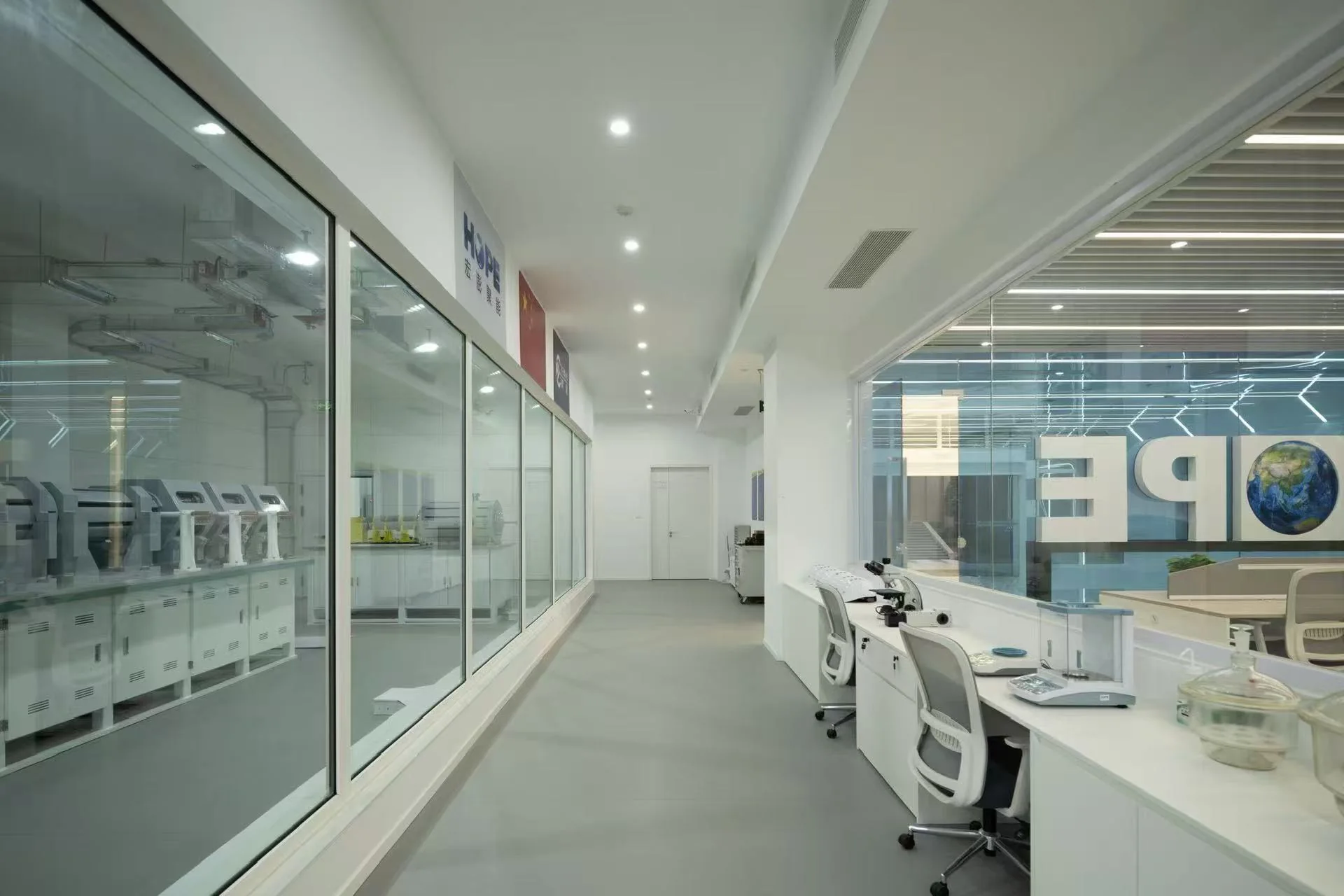
Morning Star laboratoryExperimental research
Experiments / 实验
Understand the research. Then inspect the evidence.
Interactive research path
From a stabilized beam to spatially symmetric convergence.
Explore the published 2021 plasma-beam experiment and the multi-beam concept proposed in 2015. Subsequent neutron measurements are presented separately; the relationship between these stages remains a research question.
Published experimentTheory / confirmation tests proposed
Published experiment
Move through the device and inspect the paper-reported beam states.
Select an observation location to see the beam dimensions and plasma properties reported in the paper. Unreported values are identified.
Published peak current10.83 kA
Published peak magnetic field0.8 T
Experimental plasmaAr + H + He mixture
Field lines are explanatory graphics, not a numerical magnetic-field solution.
HOPE research numbers
From high-density plasma to later neutron experiments.
These figures trace the research record over time. Published results, internal measurements, and inferred rates are identified separately; they do not establish a causal relationship between successive stages.
HOPE-reported D-D measurement · helium-3 neutron detector
Average 1.5 × 10⁵ measured neutrons / experiment · etched-track method
Inferred from the reported <0.01 ms neutron-production interval
↓ Next: inspect the 2026 neutron result step by step
03 · Inspect the evidence
Inspect the 2026 neutron evidence.
Examine the 16 repeated experiments reported by HOPE, the measured average, the reported production interval, and the inferred neutron rate.
01 · Repeatability
16 repeated neutron-producing experiments
Select any experiment number to inspect the evidence boundary. The grid represents reported repetition only, not relative shot intensity.
Experiment 01 · HOPE reports this as one of 16 repeated neutron-producing experiments. Individual neutron counts for each experiment are not published in the website evidence set.1 / 4
Documentary record / 实验记录
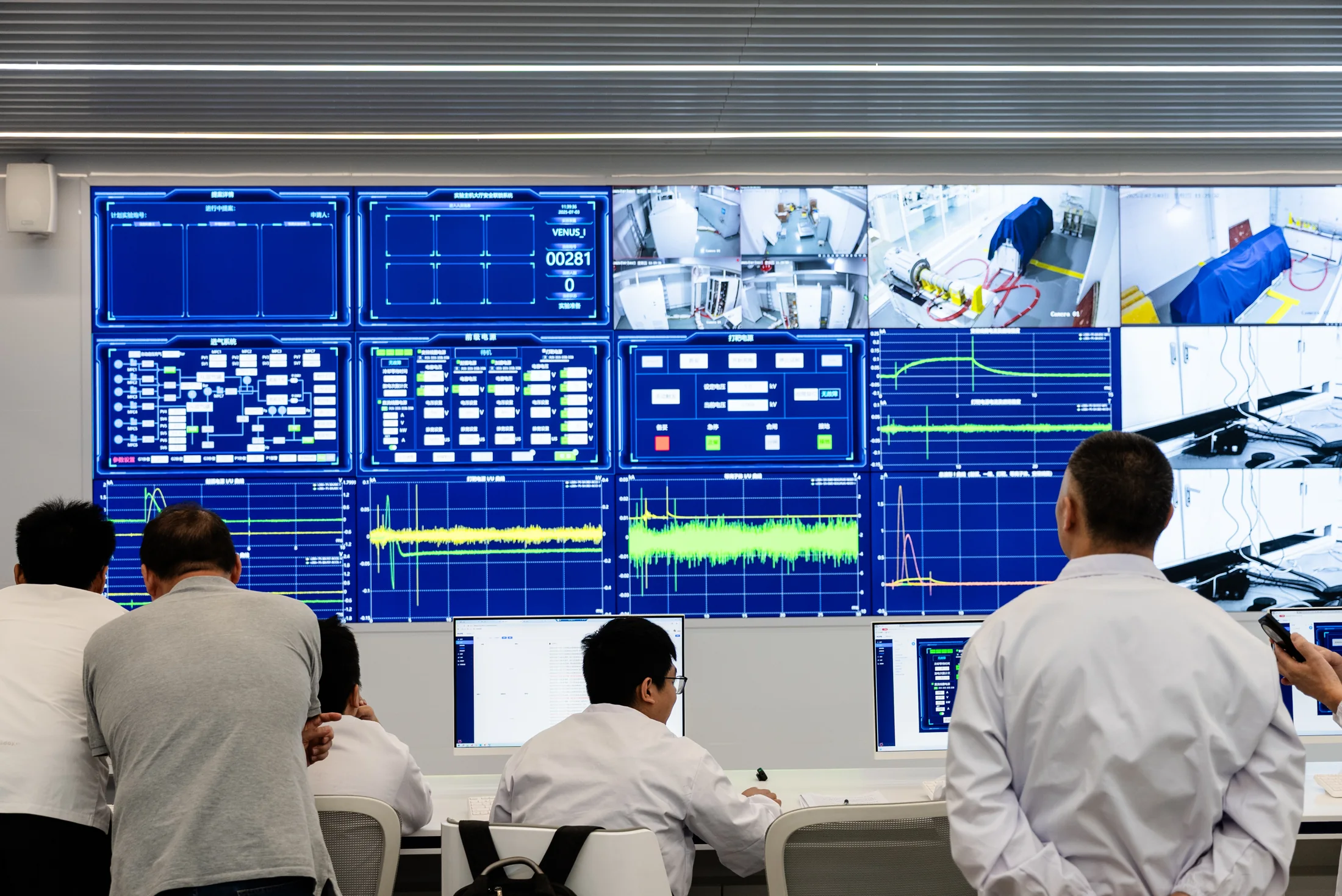
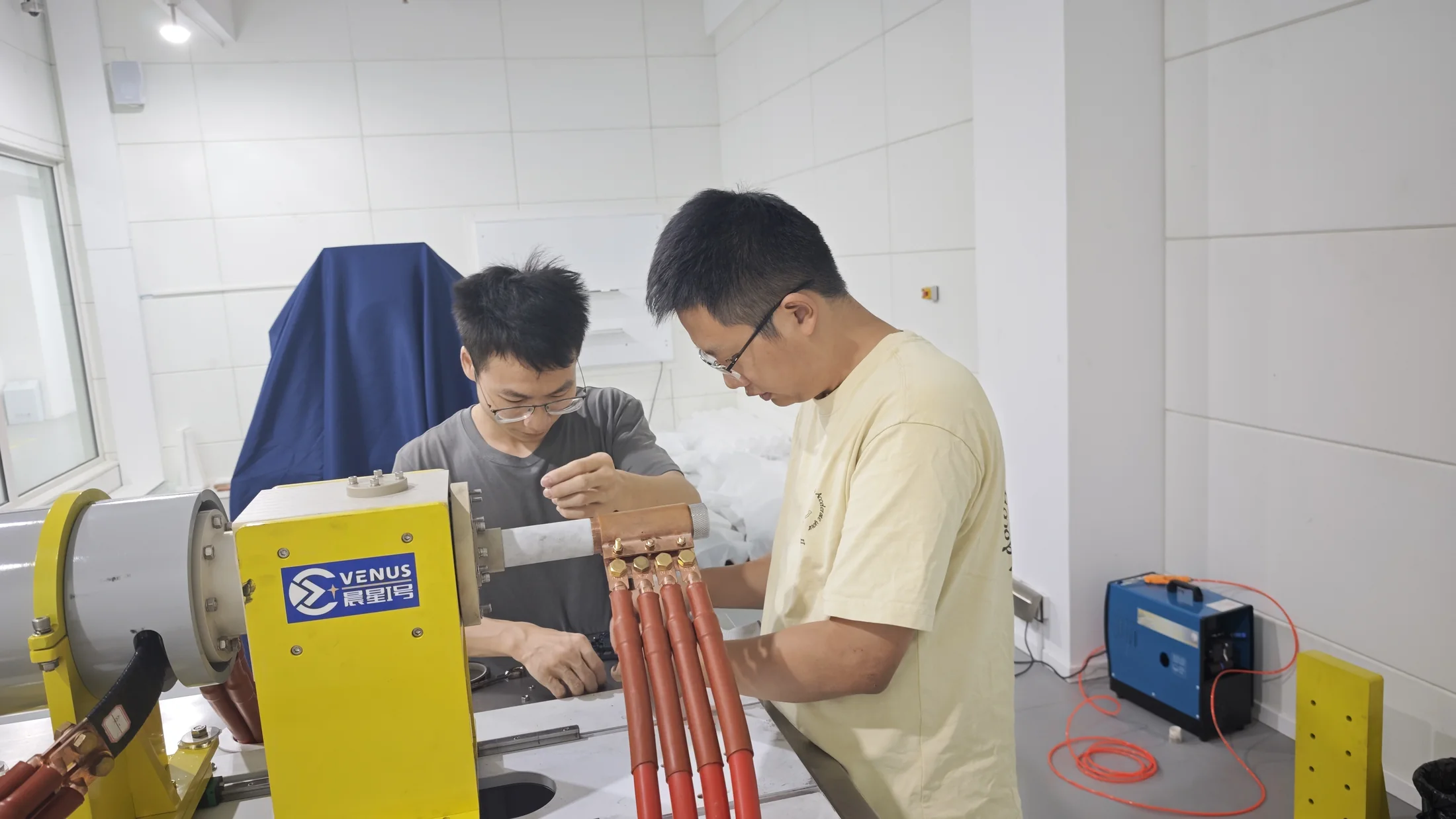
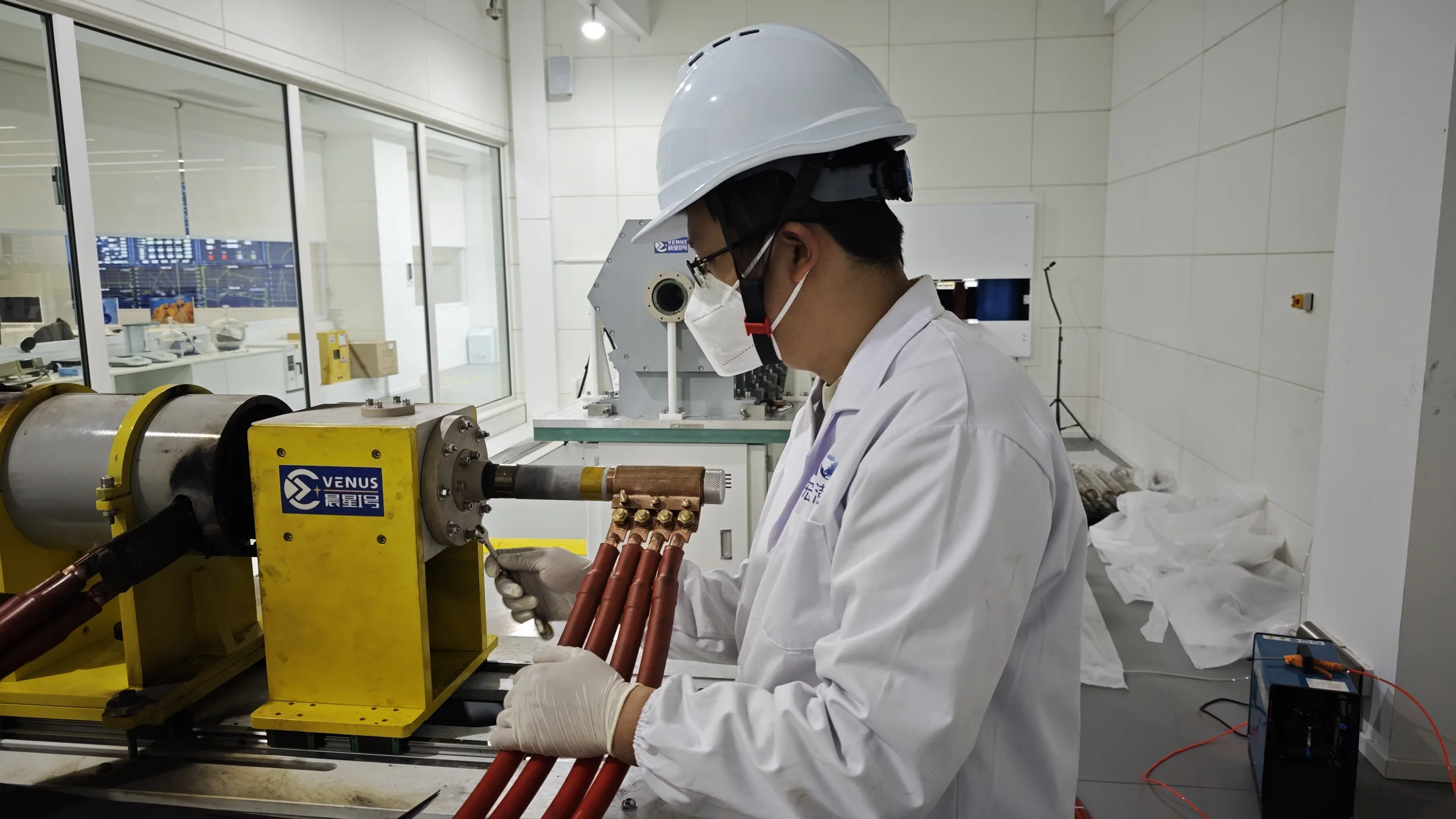
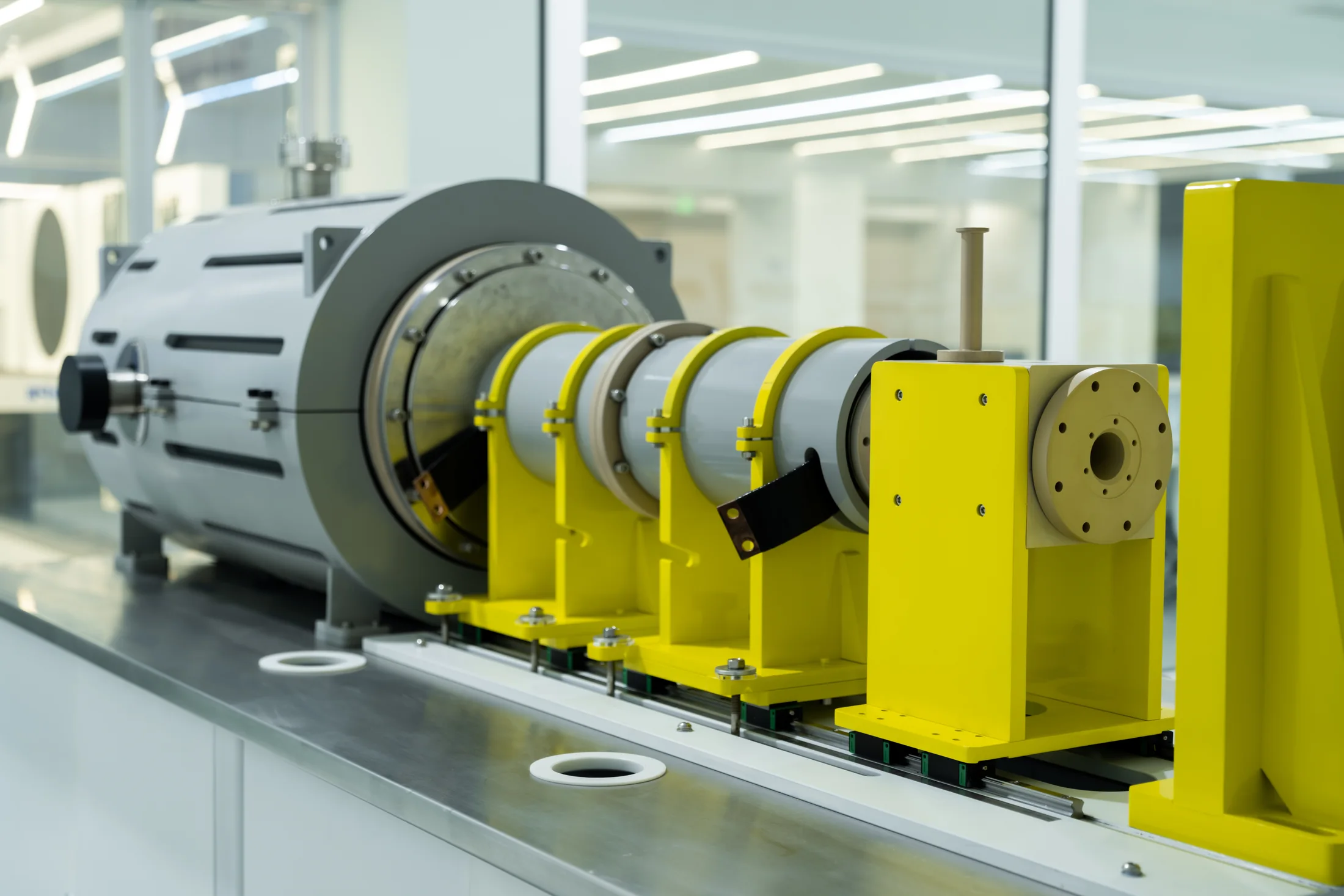
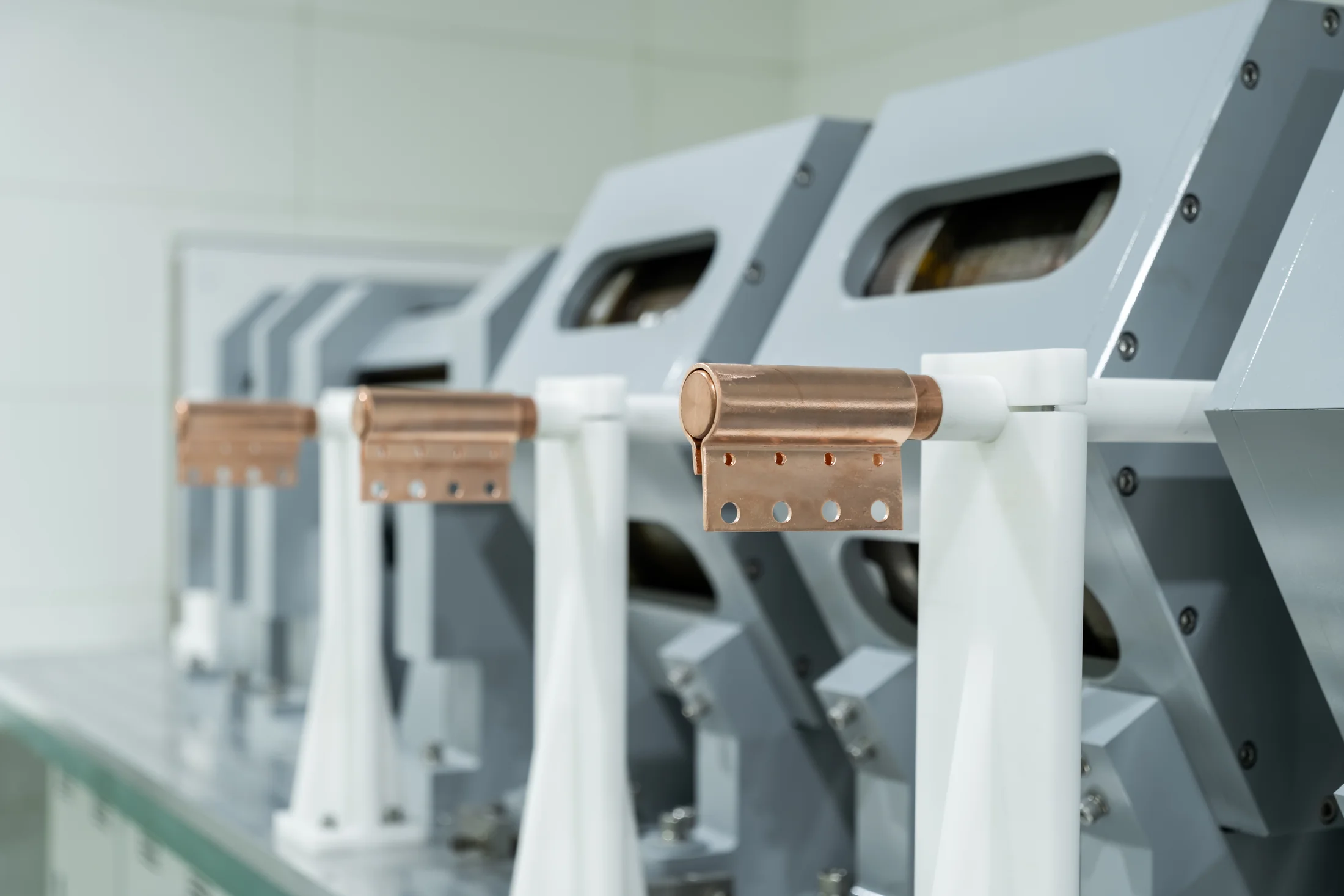
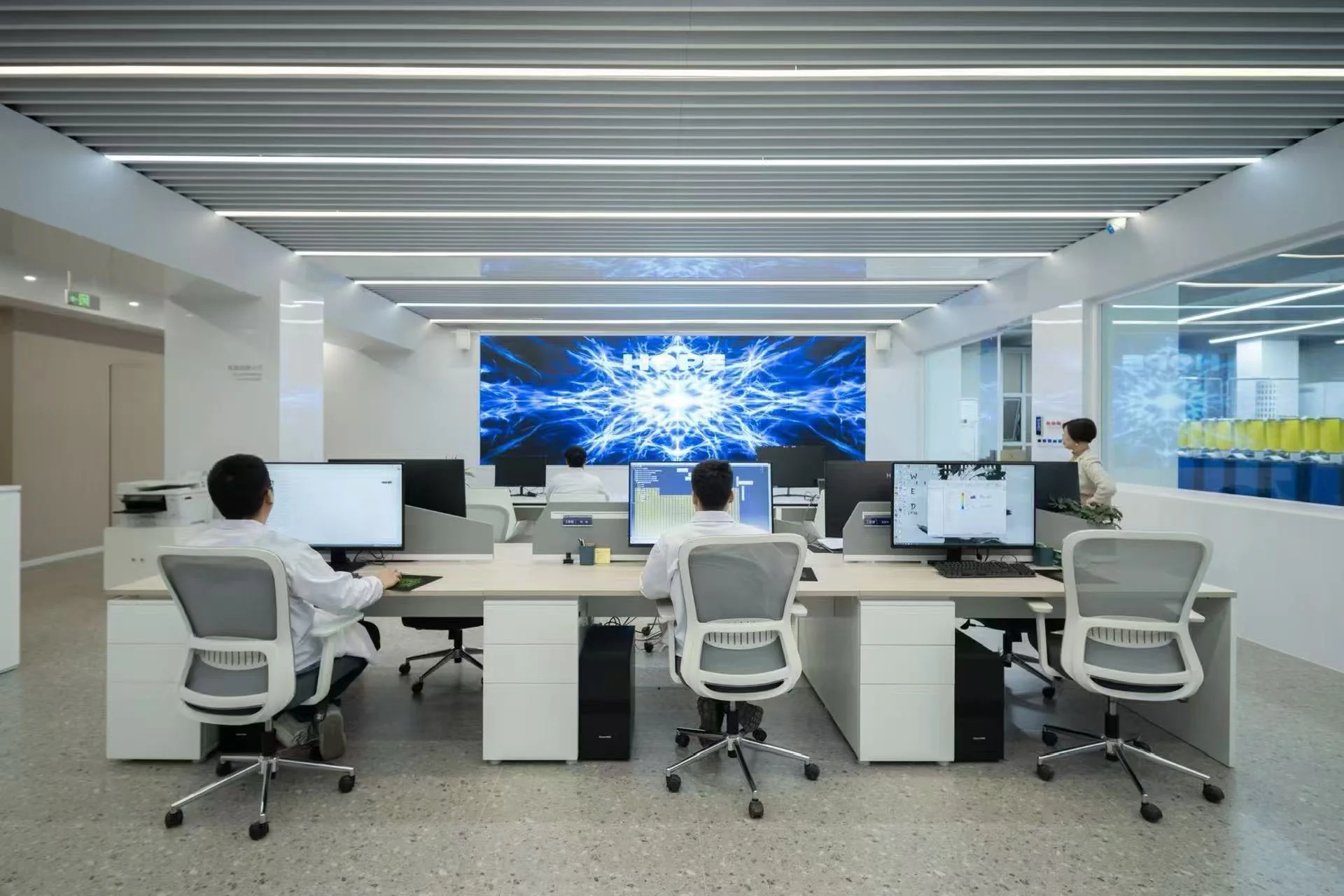
Experiments in the laboratory.
Apparatus / 装置
The apparatus behind the research.
What comes next
Results, open questions, and next steps.
Published work reports stabilized high-current plasma beams and plasma density on the order of 10²³ particles/m³. HOPE later reports a 2023 D-D neutron measurement of 1 × 10⁷ n/s using a helium-3 detector, followed by 16 repeated neutron-producing experiments in 2026.
The next challenge is to characterize, control, and reproduce the neutron-producing regime, then assess its relevance to the proposed multi-beam architecture. The complete system has not yet been established by the public evidence.
The next experimental objective and its measurable success criteria await scientific review and approval for publication.
Program history
The development of the experimental program.
Shanghai HOPE Energy Technology established; first-generation experimental work begins.
Company records joint experimental work involving Sichuan University and the Southwestern Institute of Physics.
Second-generation experimental system completed; the 2021 PPCF paper reports plasma density on the order of 10²³ particles/m³.
Third-generation apparatus completed. HOPE reports D-D experiments measuring 1 × 10⁷ neutrons/s with a helium-3 neutron detector.
Morning Star laboratory completes a fourth-generation experimental system.
HOPE reports 16 repeated neutron-producing experiments in September using etched-track measurements.
Published results, internal observations, models, projections, and hypotheses carry different levels of evidence. Each is identified throughout the research record.
Read the papers underlying the published experiments and theoretical concepts.